
If you're looking for a new primary care doctor, there are a few common reasons why.
Maybe you and your family are moving to a new area.
Maybe your insurance changed.
Maybe your lifestyle has changed, or you and your current doctor just don't click.
Whatever the reason, there are some real questions worth asking before you commit to a new provider.
Dr. Noorani and Tabrez Noorani put together a short video answering the questions patients ask most when they're choosing a new primary care doctor in Riverview.
Below, you'll find each question broken out with their answers in more detail.
This content is for informational purposes only and is not a substitute for professional medical advice. Please consult Dr. Noorani or our care team for guidance specific to your health.
Is My New Primary Care Doctor Board Certified?
Board certification is one of the first things worth checking.
It means your provider has gone through additional training and continuing education on top of their initial degree, and has met a national standard in their specialty.
Dr. Noorani is a board certified family medicine and palliative medicine physician. She completed her residency in Norristown, Pennsylvania, in a community based family medicine program similar to the community Noorani Medical Center serves.
She has been in practice for 15 years.
Tabrez Noorani is a board certified physician assistant. He completed medical school in India and his PA schooling at Rosalind Franklin University in Chicago, and has about 15 years of experience in primary care.
You can verify any provider's board certification yourself through the American Board of Medical Specialties at certificationmatters.org.
Learn more about Dr. Noorani and Tabrez Noorani.
How Accessible Is the Office for Urgent or Same-Day Needs?
According to Tabrez, the better question isn't how busy your doctor's office is, it's how accessible your provider actually is when you need them.
At Noorani Medical Center, the team blocks out 15 to 20 appointment slots every day specifically for patients calling in with urgent needs or same-day requests, rather than overbooking those slots with routine visits.
That means if something comes up, there's a real path to being seen quickly instead of waiting behind a fully packed schedule.
When you're evaluating a new primary care doctor, it's worth asking directly: if I call with an urgent issue, how soon can I actually be seen?
Get a plan built around your health.
Same-day appointments available for established patients. Most major insurance plans accepted.
What Services Does the Office Provide Beyond a Basic Exam?
Beyond a comprehensive history and physical exam, Noorani Medical Center offers several services in-house that save patients from having to visit multiple offices.
One of those is on-site lab draws.
Instead of leaving your appointment and waiting at an outside Quest or LabCorp location, you get your blood drawn during the same visit, and results are ready by your follow-up.
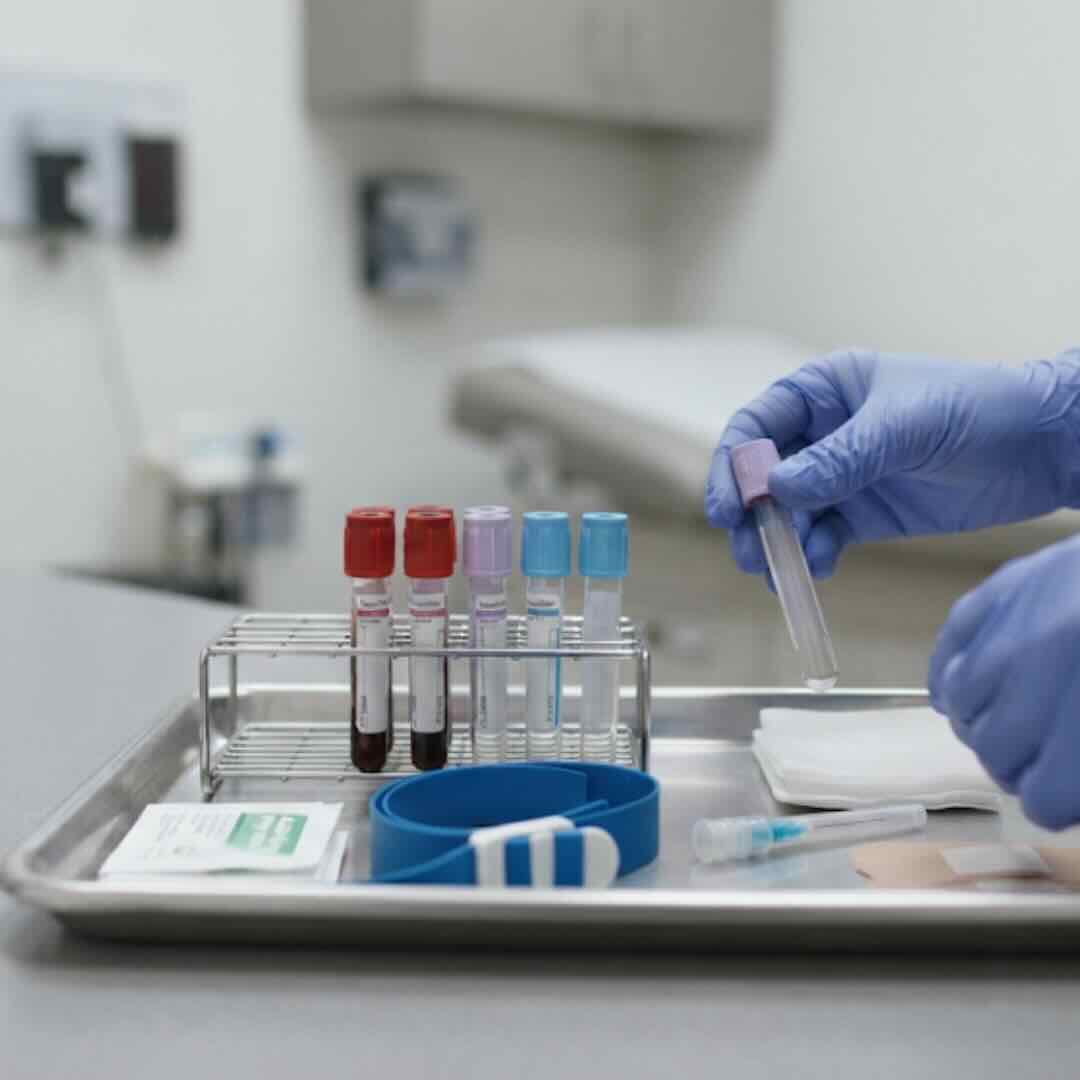
The office also handles EKGs, lung function tests, and minor procedures like skin tag removals right on site.
And because the female providers perform well-woman exams, patients can get that care in the same place as the rest of their primary care, rather than being referred out to a separate specialist.
When you're comparing primary care offices, it's worth asking what's actually handled in-house versus what gets referred elsewhere.
Fewer stops usually means faster answers.
What Insurance Is Accepted, and Is Self-Pay Available?

Noorani Medical Center accepts most major health insurance carriers.
The office has an insurance specialist who verifies your plan details before your visit, including your copay and deductible, so you know what to expect before you're in the exam room.
Many plans also cover an annual physical at 100%, meaning no out-of-pocket cost for that visit.
Just as important: the office also offers a self-pay option.
Losing your insurance shouldn't mean losing your doctor, and Noorani Medical Center offers transparent, competitive self-pay pricing rather than turning away patients who don't have coverage.
When you're choosing a new primary care doctor, it's worth asking both questions, not just whether your insurance is accepted, but what happens if that ever changes.
Does the Practice Have a Good Website?
It might seem like an odd thing to check when choosing a doctor, but a practice's website tells you a lot before you ever pick up the phone.
A good one should show you what insurance is accepted, what services are offered, and give you real background on the providers themselves, including their credentials, education, and experience.
Noorani Medical Center's site covers all of that.
You can review provider bios for Dr. Noorani, Tabrez Noorani, Brandi Dumas, and Kalee Moses, browse the full range of services offered, and find insurance and self-pay details before you ever schedule a visit.
If a practice's website can't answer these basic questions, that's worth noting before you commit to becoming a patient there.
Get a plan built around your health.
Same-day appointments available for established patients. Most major insurance plans accepted.
How Does Scheduling Work for New vs. Existing Patients?
Scheduling looks a little different depending on why you're coming in.
For an urgent visit, the office holds slots specifically for patients who need to be seen the same day or within 24 hours.
That part of the process moves fast, whether you're an existing patient or brand new to the practice.
For a physical or annual exam, the office allots more time per visit, since these appointments cover more ground.
That means it may take a few days to a week to get scheduled as a new patient physical, compared to the same-day or next-day turnaround for an urgent need.
When you're evaluating a new primary care doctor, ask about both scenarios separately: how fast can they see you if something urgent comes up, versus how far out you're booking for a routine physical.
The two timelines aren't the same, and a good practice should be able to explain why.
What Are Wait Times Like, and How Is the Schedule Managed?
Wait times are one of the harder things to promise exactly, and Tabrez is upfront about that in the video.
The goal is to stay on schedule, but medicine doesn't always run on a clock.
Sometimes a patient needs more time, more questions answered, or a more thorough visit than expected, and that can push the rest of the day back by a few minutes.
What matters more than a guaranteed wait time is how the office handles that reality.
Noorani Medical Center never double books appointment slots, and the schedule is built with gaps that allow the team to catch up if a visit runs long, rather than rushing patients through to stay on time.
Breaks are also built into the day to handle messages and follow-up documentation without falling further behind.
The tradeoff is intentional: a few extra minutes in the waiting room in exchange for a provider who isn't rushing through your visit.
When you're choosing a new primary care doctor, it's worth asking how they think about that tradeoff, not just what their average wait time is.
Ready to Find Your New Primary Care Doctor in Riverview?
Choosing a new primary care doctor comes down to a handful of real questions: credentials, accessibility, services, insurance, scheduling, and how a practice handles the day-to-day realities of patient care. Dr. Noorani and Tabrez Noorani answered all of them above, in their own words.
If Noorani Medical Center sounds like the right fit, click the button below or call 813-571-1111 with any questions before you schedule.