
More than 40 million Americans are living with diabetes, and most have type 2 (CDC).
If you're managing this condition, or worried you might be at risk, Noorani Medical Center provides ongoing type 2 diabetes management right here in Riverview.
Understanding Your Diagnosis
What Is Type 2 Diabetes?
Type 2 diabetes happens when your body becomes resistant to insulin, the hormone that moves sugar from your bloodstream into your cells for energy.
Your pancreas tries to keep up by producing more insulin, but over time it can't make enough to keep your blood sugar in a healthy range (CDC).
Left unmanaged, this buildup of sugar in the blood can lead to serious complications, including heart disease, nerve damage, and vision problems.
But with the right combination of monitoring, lifestyle changes, and medication when needed, type 2 diabetes can be effectively managed, and your primary care provider can lead that ongoing care.
Get a plan built around your health.
Same-day appointments available for established patients. Most major insurance plans accepted.
Signs to Watch For
Symptoms of Type 2 Diabetes

Type 2 diabetes often develops slowly, and symptoms can be mild enough to miss entirely.
According to the CDC, some people have no noticeable symptoms at all, which is why routine screening matters even if you feel fine (CDC).
When symptoms do appear, they can include:
- Increased thirst and frequent urination
- Increased hunger
- Fatigue
- Blurred vision
- Slow-healing sores or cuts
- Tingling or numbness in the hands or feet
- Frequent infections, including recurring yeast infections
- Darkened patches of skin, often around the neck or armpits
- Unintended weight loss
If you're noticing any combination of these, it's worth getting your blood sugar checked rather than waiting for symptoms to get worse.
What Puts You at Risk
Causes and Risk Factors
Type 2 diabetes develops from a combination of insulin resistance and the pancreas struggling to keep up with the body's demand for insulin.
Several factors can raise your risk:
- Being overweight or carrying excess weight around your midsection
- Being 45 or older
- Having a parent or sibling with type 2 diabetes
- Being physically active less than 3 times a week
- Having had gestational diabetes or given birth to a baby over 9 pounds
- Having prediabetes
- Having polycystic ovary syndrome (PCOS)
- Belonging to certain ethnic groups, including African American, Hispanic or Latino, American Indian, Alaska Native, and some Pacific Islander and Asian American populations, who have a higher risk according to the CDC
Having one or more of these risk factors doesn't mean you'll develop type 2 diabetes, but it does mean regular screening is worth discussing with your provider.
Get a plan built around your health.
Same-day appointments available for established patients. Most major insurance plans accepted.
Your Care Plan
How We Manage Type 2 Diabetes
Managing type 2 diabetes is an ongoing process, not a one-time fix.
It's one part of the broader chronic disease management we provide, built around your specific health picture and adjusted as your needs change.
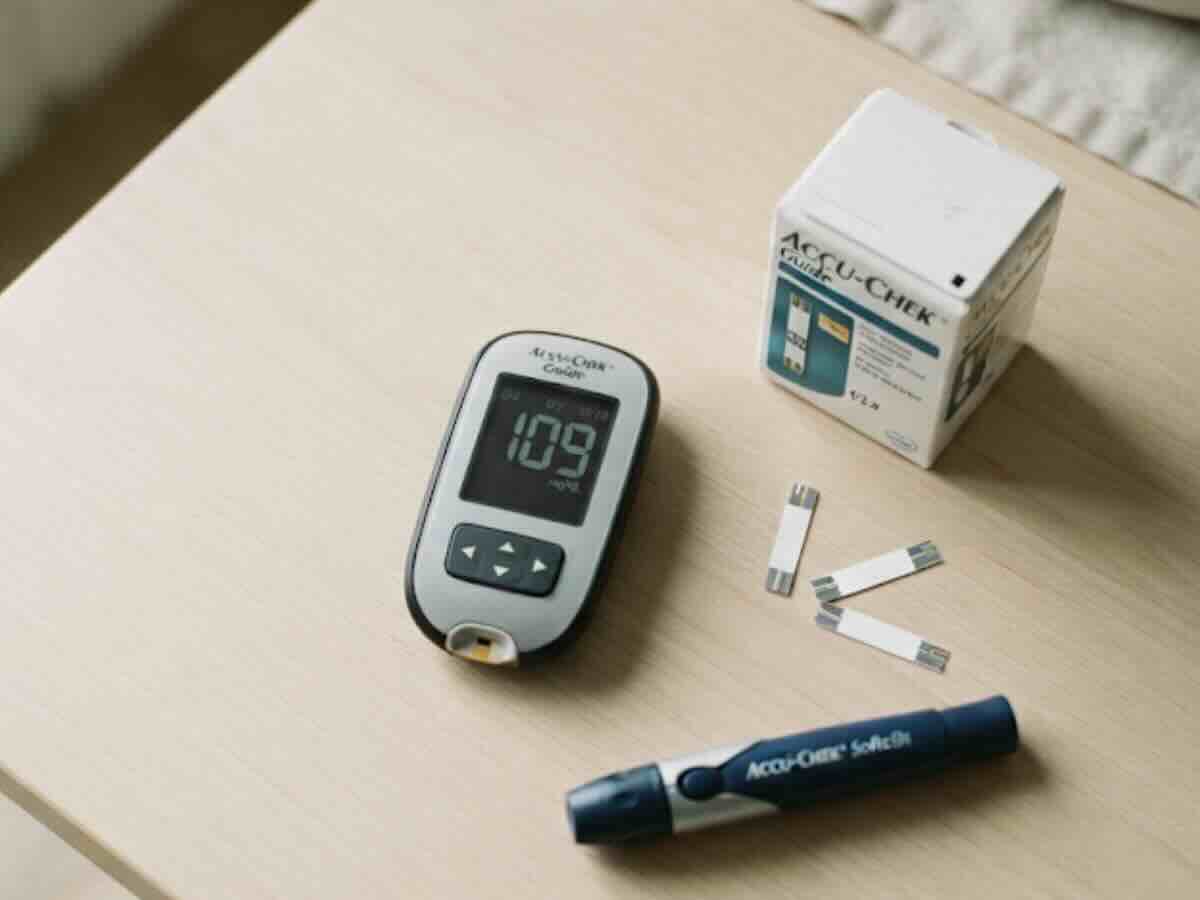
Blood Sugar Monitoring
Regular testing to track how well your current plan is working and catch changes early.
Medication Management
When lifestyle changes alone aren't enough to keep blood sugar in a healthy range, your provider may recommend medication and will monitor how you respond to it over time.

Lifestyle Guidance
Practical, personalized guidance on diet, physical activity, and weight management, the same lifestyle factors the CDC identifies as central to managing type 2 diabetes.

Why Management Matters
Possible Complications If Left Unmanaged
Over time, unmanaged high blood sugar can affect major organs and systems throughout the body, according to the CDC:
This is exactly why routine monitoring and an active care plan matter, catching changes early gives you and your provider the chance to adjust course before complications develop.
Get a plan built around your health.
Same-day appointments available for established patients. Most major insurance plans accepted.
Getting a Diagnosis
How Type 2 Diabetes Is Tested and Diagnosed
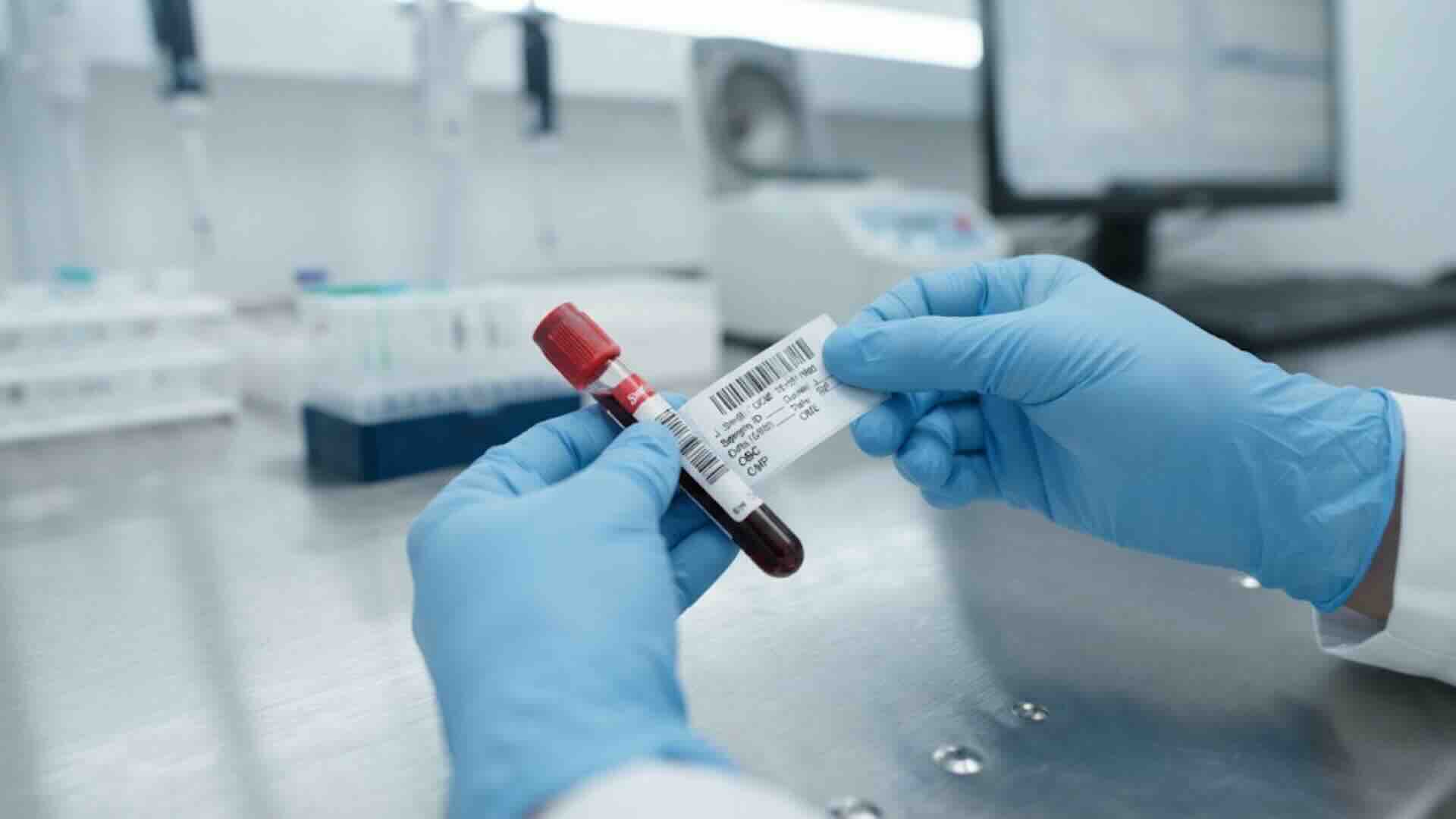
Type 2 diabetes is diagnosed through blood testing. Your provider may use one of the following:
- A1C Test
Measures your average blood sugar over the past two to three months. No fasting required. - Fasting Plasma Glucose Test
Measures blood sugar after at least eight hours without food. - Random Plasma Glucose Test
Measures blood sugar at any time, regardless of when you last ate. - Oral Glucose Tolerance Test
Measures blood sugar before and two hours after drinking a sugary solution, showing how your body processes sugar over time.
Your provider may repeat testing on a different day to confirm results, especially if your levels are borderline.
Common Questions
Frequently Asked Questions
Can type 2 diabetes be reversed?
Some people can bring their blood sugar back into a normal range through significant lifestyle changes, particularly weight loss, and no longer need medication to manage it. This is sometimes called remission. It's not guaranteed for everyone, and diabetes can return if weight is regained, so ongoing monitoring with your provider remains important even in remission.
How is type 2 diabetes managed without medication?
For some people, especially early on, healthy eating, regular physical activity, and weight management can be enough to keep blood sugar in a healthy range. Whether medication is needed depends on your individual blood sugar levels and how your body responds to lifestyle changes, which is something your provider will monitor over time.
What are the treatment options for type 2 diabetes?
Treatment typically combines lifestyle changes with medication when needed. Your provider may prescribe medications such as metformin, which is often the first option considered, along with other medication classes depending on your individual needs.
What causes type 2 diabetes?
Type 2 diabetes develops when your body becomes resistant to insulin and your pancreas can't produce enough to compensate. Risk factors include excess weight, physical inactivity, family history, and age, though the exact combination varies from person to person.
Manage Your Type 2 Diabetes with a Provider Who Knows Your Full Health Picture
Whether you've just been diagnosed, want a second opinion on your current management plan, or are worried about your risk, Noorani Medical Center is here to help. Schedule an appointment with our Riverview office and take the next step in managing your health.