
High blood pressure often has no warning signs, but it's one of the most manageable risk factors for heart disease and stroke.
Our Riverview care team helps you understand your numbers and build a plan to bring them into a healthy range.
UNDERSTANDING YOUR DIAGNOSIS
What Is High Blood Pressure?
According to the CDC, nearly half of U.S. adults have high blood pressure, and most don't have their numbers under control.
High blood pressure, also called hypertension, happens when the force of blood pushing against your artery walls stays elevated over time.
Left unaddressed, it raises the risk of heart attack, stroke, and kidney damage.
It's also one of the most manageable conditions we see, with the right combination of monitoring, lifestyle adjustments, and treatment when needed.
At Noorani Medical Center, high blood pressure management is part of our broader approach to chronic disease care for patients across Riverview and Brandon.
If it's time to get your blood pressure checked, you can schedule a same-day appointment
Get a plan built around your health.
Same-day appointments available for established patients. Most major insurance plans accepted.
WHAT INCREASES YOUR RISK
Causes of High Blood Pressure
According to the CDC, several factors increase your risk for high blood pressure, and many of them are within your control.
High sodium diet, low in potassium
Most sodium in a typical diet comes from processed and restaurant food rather than the salt shaker at home.
Limited physical activity
Regular movement helps your heart pump more efficiently and keeps blood vessels flexible.
Excess weight
Carrying excess body fat makes your heart work harder to circulate blood, which adds strain over time. If weight is a factor for you, our medical weight loss program addresses this directly.
Diabetes
About 6 in 10 people with diabetes also have high blood pressure, per the CDC. We manage both conditions together as part of ongoing diabetes care.
Family history and age
Genetics and getting older both raise your risk, and neither can be changed through lifestyle alone.
Long-term stress
Ongoing stress, anxiety, or depression over time can contribute to elevated blood pressure.
Pregnancy
Some women develop high blood pressure during pregnancy, which requires close monitoring for both mother and baby.
Not all of these risk factors can be eliminated, but knowing which ones apply to you is the first step in building a plan with your care team.
WHY IT'S CALLED THE SILENT KILLER
Symptoms of High Blood Pressure
High blood pressure usually causes no warning signs or symptoms at all.
Measuring your blood pressure is the only reliable way to know if it's elevated, which is why routine checks matter even if you feel fine.
If it's been a while since your last reading, you can schedule a same-day appointment with our team.
A hypertensive crisis is different and requires immediate emergency care.
Call 911 or go to the nearest emergency room if your blood pressure reads 180/120 mmHg or higher and you're experiencing any of the following:
- Chest pain
- Shortness of breath
- A sudden, severe headache
- Vision changes
- Confusion
- Numbness or weakness on one side of the body
These can be signs of a stroke, heart attack, or other life-threatening emergency and shouldn't wait for a scheduled visit.
HOW WE CHECK YOUR NUMBERS
How Is High Blood Pressure Diagnosed?
High blood pressure is diagnosed when readings are consistently at or above 130/80 mmHg, based on the average of two or more readings taken on separate visits.
A single high reading isn't enough on its own.
Things like stress, caffeine, or nervousness in a medical setting (sometimes called "white coat syndrome") can temporarily raise your numbers.
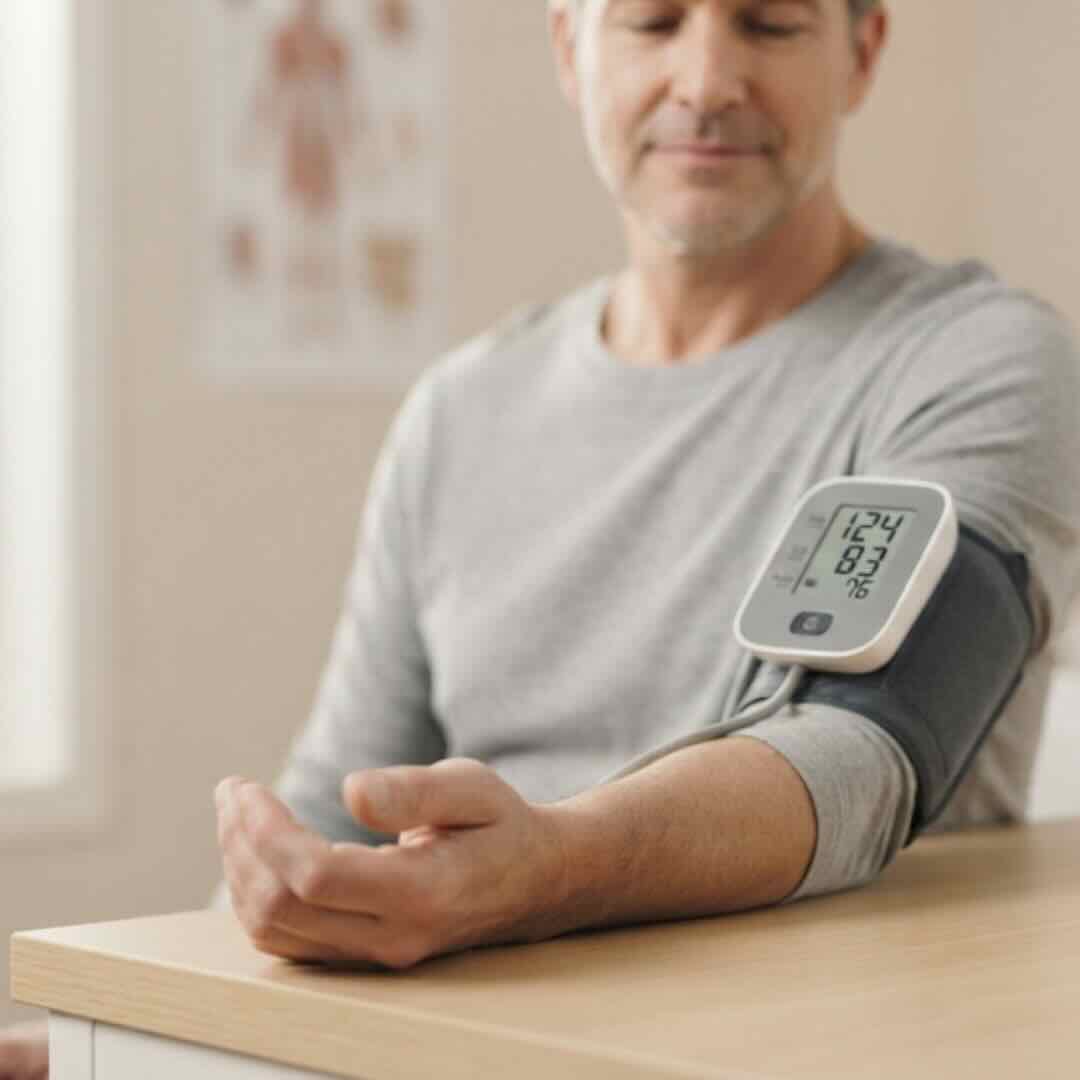
During your visit, we measure your blood pressure with an inflatable cuff and gauge, following the same preparation steps the CDC recommends: sitting quietly for a few minutes beforehand, with your arm supported at heart level.
If your readings are borderline or inconsistent, we may ask you to track your blood pressure at home between visits so we have a clearer picture before making any changes to your care plan.
Ready to get your numbers checked?
Get a plan built around your health.
Same-day appointments available for established patients. Most major insurance plans accepted.
LOWERING YOUR NUMBERS
Treatment and Lifestyle Management

For most people, the CDC recommends a combination of lifestyle changes to help bring blood pressure into a healthy range:
- Eating a diet rich in potassium, fiber, and protein while lower in sodium and saturated fat, such as the DASH (Dietary Approaches to Stop Hypertension) eating plan
- Getting regular physical activity
- Maintaining a healthy weight. If this is a factor for you, our medical weight loss program can help
- Limiting alcohol intake
- Not smoking
For many people, these changes alone lead to meaningful improvement.
When lifestyle changes aren't enough to reach a healthy range, your provider may recommend adding medication as part of your treatment plan.
The right approach depends on your overall health, any other conditions you have, and how your body responds, which is why treatment is always personalized rather than one-size-fits-all.
At Noorani Medical Center, we build and adjust this plan with you over time as part of ongoing chronic disease management, not a one-time conversation.
STAYING ON TOP OF YOUR NUMBERS
When to See a Doctor
The U.S. Preventive Services Task Force recommends blood pressure screening for all adults 18 and older: annually for adults 40 and older or those at increased risk, and every 3 to 5 years for younger adults with a prior normal reading and no additional risk factors.
If you've had an elevated reading, haven't had your blood pressure checked recently, or have risk factors that put you at higher risk, it's worth scheduling a visit rather than waiting for your next annual physical.
Our preventive care visits include blood pressure screening as a standard part of the exam, or you can book a same-day appointment if you'd rather come in sooner.
A Medical Emergency Is Different
If your blood pressure reads 180/120 or higher and you're experiencing chest pain, shortness of breath, a sudden severe headache, vision changes, confusion, or one-sided weakness, call 911 or go to the nearest emergency room right away rather than waiting for a scheduled visit.
COMMON QUESTIONS
Frequently Asked Questions
Q1: What is a normal blood pressure reading?
A normal blood pressure reading is below 120/80 mmHg - per the CDC. Readings from 120/80 up to 129/80 mmHg are considered elevated, 130/80 to 139/89 mmHg fall into Stage 1 hypertension, and 140/90 mmHg or higher is Stage 2 hypertension, per Mayo Clinic's staging guidelines.
Q2: How quickly can I lower my blood pressure?
Meaningful, lasting reductions come from weeks of consistent lifestyle changes, not a single quick fix. Clinical research on the DASH diet specifically, reviewed in the NIH's StatPearls database, shows average systolic reductions of 1 to 13 mmHg with sustained dietary changes. If you're seeing advice online promising results in minutes, that's not something we can verify or recommend.
Q3: Is hypertension the same as high blood pressure?
Yes. Hypertension is the clinical term for high blood pressure. Both refer to the same condition.
Q4: Can high blood pressure be managed without medication?
For many people, especially in the earlier stages, lifestyle changes can bring blood pressure into a healthier range. This varies from person to person and should be guided by your provider based on your overall health and how your body responds.
Q5: What's considered a hypertensive emergency?
A blood pressure reading of 180/120 mmHg or higher, especially paired with chest pain, shortness of breath, a sudden severe headache, vision changes, confusion, or one-sided weakness, is a medical emergency. Call 911 or go to the nearest emergency room right away.
Take Control of Your Blood Pressure
High blood pressure is manageable, and getting your numbers checked is the first step. Schedule a visit with Dr. Noorani and our care team in Riverview - whether that's a routine check, a first conversation about your risk, or an ongoing treatment plan.